Green Initiatives: How E-Waste Recycling Services Are Protecting Our Planet
Electronic waste presents serious dangers to the environment, as abandoned electronic devices commonly carry harmful materials. These hazardous substances can contaminate soil and water, leading to broader ecological damage. E-waste recycling initiatives provide a practical answer. They serve the dual purpose of reclaiming precious materials and reducing contamination. Comprehending the operation of these services and their influence on communities is of great importance. The journey towards effective e-waste management raises critical questions about individual responsibility and collective action. What actions should be considered going forward?
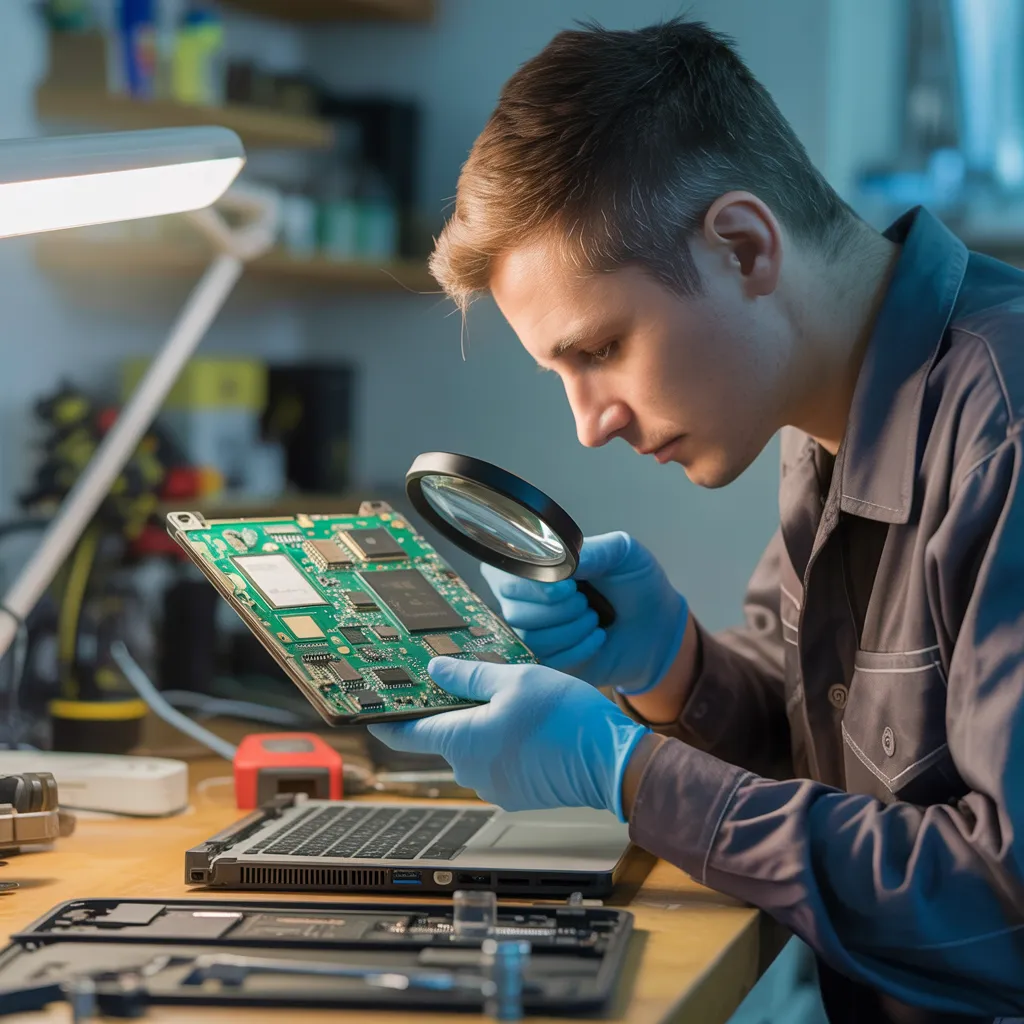
Why E-Waste Poses a Threat to the Planet
Although technology enhances contemporary living, electronic waste presents serious threats to the environment. Disposed electronic equipment, frequently composed of toxic substances including cadmium, lead, and mercury, are capable of seeping pollutants into the surrounding soil and water supply, presenting dangers to both wildlife and human well-being. The accelerating rate of technological innovation contributes to increased consumer turnover of electronics, exacerbating the accumulation of electronic waste.
Landfills, already overwhelmed with refuse, find it difficult to handle the increasing amounts of discarded devices. Incineration, another disposal method, releases harmful pollutants into the atmosphere, contributing to air quality degradation. In addition, improper recycling practices can lead to the exportation of e-waste to developing countries, where laborers may dismantle devices without adequate safety measures, exposing themselves to dangerous substances. This ongoing cycle of carelessness and inadequate management emphasizes the pressing necessity for responsible recycling initiatives that can lessen the harmful consequences of e-waste on our world.
Understanding E-Waste and Its Significance
E-waste, also referred to as electronic waste, includes obsolete electronic products such as televisions, computers, and smartphones that are no longer functional or needed. This growing category of waste is significant due to its rapid accumulation, propelled by advances in technology and evolving consumer behaviors. As growing numbers of electronics become outdated, the ecological consequences become more pronounced, with toxic materials such as lead, mercury, and cadmium threatening both ecosystems and public health.
The significance of tackling e-waste extends beyond minimizing these risks to recognizing the valuable resources it holds. Critical metals and rare earth components can be reclaimed and recycled, decreasing the reliance on mining and protecting natural resources. With a thorough understanding of e-waste and its impact, people and organizations alike can make educated decisions about disposal and recycling, helping to build a more sustainable world. Proper management of e-waste is essential for fostering a circular economy and promoting environmental stewardship.
How the E-Waste Recycling Process Works
Recycling e-waste involves a systematic process aimed at reclaiming useful resources while limiting ecological damage. Initially, discarded electronics are retrieved and sent to purpose-built recycling plants. Once there, the electronics are carefully categorized to distinguish harmful elements from reusable resources.
Next, technicians dismantle the devices, recovering metals, plastics, and glass. This stage is crucial, as it facilitates the extraction of precious metals like copper, gold, and silver, which can be recycled in new electronic products.
Following this, the divided materials are processed via cutting-edge techniques, such as shredding and chemical treatments, to refine them for recycling.
In the final step, the leftover dangerous materials are managed properly, following environmental regulations. This comprehensive process not only saves important resources but also mitigates the risks associated with unsafe e-waste handling, securing a more eco-conscious future for electronic consumption.
Benefits of E-Waste Recycling for You and Your Community
Although it often goes unnoticed, the benefits of e-waste recycling extend beyond personal convenience to positively impact entire communities. By responsibly disposing of electronic waste, individuals contribute to a healthier environment, decreasing toxic components that can seep into soil and water. This proactive approach helps preserve local ecosystems and advances public health.
Additionally, the recycling of e-waste encourages workforce growth within communities. Nearby recycling establishments regularly need employees for various operations, including collection and processing, consequently creating meaningful employment to area workers. This not only strengthens the regional economy but also promotes community participation in sustainable initiatives.
Furthermore, awareness of e-waste recycling has the potential to generate awareness campaigns, encouraging residents to embrace sustainable practices. By enrolling in e-waste recycling programs, individuals cultivate a culture of sustainability, prompting others to follow suit. In summary, the collective impact of these actions can lead to a more sustainable and conscientious community.
Tips for Choosing an E-Waste Recycling Service
Picking the most suitable e-waste disposal service is crucial for ensuring that electronic waste is processed responsibly and sustainably. Initially, consumers should check the company's accreditations, such as R2 or e-Stewards, which indicate conformance to established benchmarks for safe recycling practices. It is equally important to evaluate the company's reputation by checking reviews and obtaining advice from dependable sources.
Moreover, transparency in the recycling process is vital. A dependable company should offer detailed insights about how e-waste is processed and how the materials are utilized. Additionally, evaluating the range of services offered can be beneficial; certain providers may offer collection services or present rewards for recycling.
Furthermore, understanding regional rules concerning e-waste disposal can additionally influence the evaluation process. Through focusing on these key aspects, consumers can play a role in effective e-waste management as well as promoting eco-friendly habits.
How You Can Take Part in E-Waste Recycling?
Engaging in e-waste recycling often starts at the local level, where recycling centers regularly supply essential services for safe disposal. Furthermore, taking part in community awareness campaigns can enhance efforts to raise awareness about the importance of ethical e-waste practices. Such efforts not only encourage sustainable practices but also cultivate a collective sense of accountability for the environment.
Regional Recycling Centers
Numerous community recycling facilities play an essential role in recycling electronic waste, offering communities convenient opportunities to discard electronic waste in an eco-friendly way. These facilities handle a wide array of electronic devices, including old computers, smartphones, and televisions, making certain that hazardous materials are managed safely. The majority of facilities employ knowledgeable personnel who are able to assist individuals with correct disposal techniques, stressing the significance of recycling instead of landfilling. In addition, various hubs coordinate drop-off events or designated collection days, making participation convenient for residents. By taking advantage of these neighborhood resources, Get it now people help build a circular economy, decreasing environmental damage and advancing sustainable approaches. Partnering with these facilities encourages communities to fight e-waste pollution decisively.
Community Awareness Campaigns
Nearby organizations, schools, and enterprises can work together to organize events that support e-waste collection drives. Volunteers can play a pivotal role in raising awareness, sharing informational resources, and connecting with local residents. Through these collective efforts, community members grow more knowledgeable and inspired to dispose of their electronics responsibly, thereby helping to build a greener and more sustainable tomorrow.
Answers to Your Most Common Questions
Which Types of Electronics Are Recyclable?
Various electronics can be recycled, including computers, smartphones, televisions, laptops, gaming consoles, and printers. In addition, peripherals such as batteries, keyboards, and mice are well-suited for recycling, supporting eco-friendly conservation initiatives.
Are There Fees Involved With E-Waste Recycling?
Indeed, e-waste disposal sometimes comes with fees, subject to the facility. Certain providers impose charges for gathering or treatment, while other facilities make services available at no charge, typically funded by the sale of reclaimed components.
How Can Businesses Benefit From E-Waste Recycling?
Businesses can benefit from e-waste recycling by reducing disposal costs, strengthening their ecological standing, adhering to regulatory requirements, reclaiming useful materials, and potentially generating revenue through resale, ultimately contributing to a more sustainable operational strategy.
What Occurs with Data on Recycled Devices?
Information from refurbished equipment is frequently permanently erased or eliminated during processing. This guarantees private details stays protected, stopping improper access while allowing materials to be repurposed securely and sustainably within new applications.
Is It Possible to Recycle Damaged Electronics?
Absolutely, damaged electronics may be recycled. Several recycling centers take in defective devices, providing safe disposal and retrieval of useful materials. This effort helps lower the environmental footprint while promoting eco-friendly recycling methods to control electronic waste properly.